China Best DC Blower Fan Manufacturer Supplier?
Choosing the China Best DC Blower Fan Manufacturer Supplier requires more than comparing prices. A reliable partner should understand airflow, static pressure, voltage, noise, and operating temperature. These details directly affect equipment performance. A suitable Dc Blower Fan must move air consistently inside compact systems, even when installation space is limited. Small differences matter.
Experienced manufacturers usually provide tested samples, clear technical drawings, and traceable production records. They should explain motor design, impeller balance, bearing selection, and expected service life. Ask for airflow curves rather than attractive catalogue claims. Request evidence from quality inspections, aging tests, and shipment checks. Factory capability also matters. Look for stable assembly lines, trained technicians, calibrated instruments, and practical responses to engineering changes.
Yet no supplier is perfect. A sample may perform well while large-batch consistency needs closer review. This is where careful communication becomes essential. Confirm tolerances, connector types, mounting holes, lead lengths, and packaging protection before approval. I have seen projects lose time because one millimeter was ignored. That mistake is simple, but costly.
The best supplier is not always the largest factory. It is the partner that listens, documents decisions, and accepts measurable responsibility. Independent testing can strengthen confidence. So can a controlled pilot order. For medical, industrial, networking, or household equipment, compliance requirements must be verified for the target market. A dependable China Dc Blower Fan manufacturer combines engineering experience with honest limitations. Clear data builds trust. Long-term cooperation follows.
What Is a DC Blower Fan and How Does It Work?
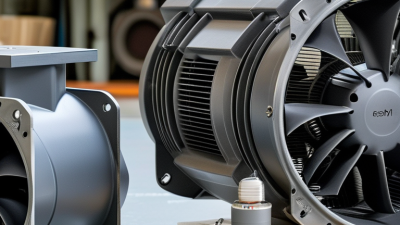
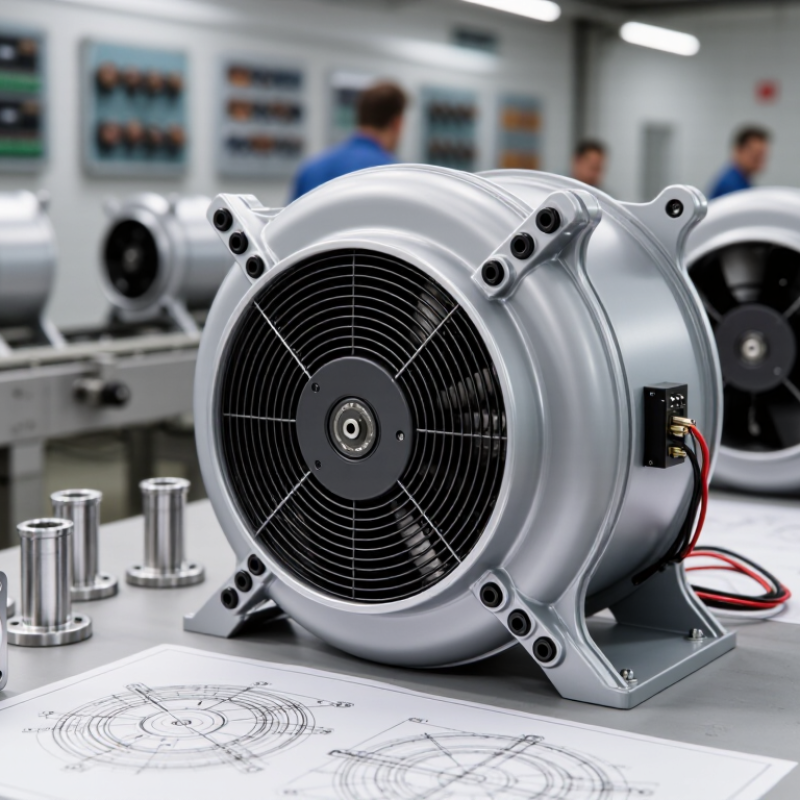
A DC blower fan is a compact air-moving device powered by direct current. Unlike an axial fan, it pushes air through a narrow outlet. This design creates stronger static pressure for ducts, vents, and compact equipment.
Inside, a brushless DC motor spins a curved impeller inside a housing. Air enters through the center and moves outward as the impeller rotates. The housing then guides that air toward the outlet. Electronic commutation controls motor rotation without traditional brushes. A controller may also adjust speed through voltage or PWM signals. Simple in theory.
In practical testing, airflow and pressure must be measured together. A blower can show impressive airflow in open air but perform poorly against a restrictive filter. Engineers check the pressure-flow curve, operating voltage, noise, heat, and expected service life. Field technicians also inspect vibration and connector quality. These details often reveal weaknesses that product sheets miss.
A reliable supplier should provide test data, tolerance ranges, wiring information, and samples for evaluation. Correct sizing depends on the real system, not only the impeller diameter. Even a well-sized blower may underperform when the outlet is poorly designed. Noise can also rise sharply near maximum speed. The difficult part is balancing airflow, pressure, temperature, and energy use. No blower fits every application.
How to Evaluate a Reliable DC Blower Fan Supplier
A reliable DC blower fan supplier should prove performance, not merely promise it. Request airflow, static pressure, voltage, current, speed, noise, and operating temperature data. These figures must match your actual equipment conditions. A fan that performs well in an open test may struggle inside a narrow enclosure.
Ask for a sample and inspect it closely. Check the impeller balance, housing fit, cable quality, connector strength, and vibration at startup. Request test reports from calibrated equipment, plus clear inspection standards for each production batch. The supplier should explain bearing life, insulation details, protection features, and expected performance after extended operation. Short answers are warning signs.
Communication also reveals reliability. A professional supplier confirms drawings, tolerances, packaging, lead times, and replacement procedures in writing. Ask how they handle airflow deviations or damaged units. No supplier gets every detail right. That is normal. What matters is whether problems are recorded, investigated, and corrected. One overlooked issue, such as a two-millimeter mounting error, can delay an entire assembly line. Review factory capacity carefully, but do not trust impressive photos alone. A video call, sample approval, and traceable quality records provide stronger evidence. Price still matters, yet unstable output can cost more through redesigns, returns, and production downtime.
How to Select the Best China Supplier for Your Application
China Best DC Blower Fan Manufacturer Supplier?
How to Select the Best China Supplier for Your Application
Selecting a China DC blower fan supplier starts with your application, not a catalog photograph. Define airflow, static pressure, voltage, speed range, noise limit, and installation space. A 24-volt fan may fail when its pressure curve cannot overcome filter resistance. Ask for measured performance curves, not only maximum airflow. Request samples built with the proposed motor and impeller. Small changes can affect sound, vibration, and current draw. Numbers can mislead.
Review the supplier’s engineering process and production controls. Ask how they balance impellers, inspect bearings, and test motor temperature. Reliable suppliers should provide inspection records, dimensional drawings, wiring details, and traceable batch information. Check whether they can adjust the housing, connector, or mounting holes without weakening airflow. A practical factory should explain limitations clearly. Overconfident answers deserve caution.
Test samples inside your actual equipment, including filters, ducts, heat sources, and nearby electronics. Measure airflow, pressure, noise, power consumption, and temperature after continuous operation. Do not rely on a short bench test. It may hide thermal problems. Request a small pilot order before committing to volume. Confirm quality standards, packaging, lead times, spare parts, and corrective-action procedures in writing. I have seen technically good samples become inconsistent during mass production, so ongoing inspection matters more than a promising first shipment.