Why Choose a DC Blower Fan for Your Ventilation Needs?
In today's world, efficient ventilation is crucial for various applications. One popular solution is the DC blower fan. These fans have gained attention for their energy efficiency and effective airflow. With advancements in technology, a DC blower fan can adapt to different environments and requirements.
Choosing the right ventilation system can be overwhelming. Many factors come into play, such as noise levels, space constraints, and energy consumption. A DC blower fan stands out thanks to its low power usage and powerful airflow capabilities. This balance makes it an appealing option for many users.
However, not every DC blower fan is the same. Performance can vary based on design, materials, and intended use. Potential users must assess their specific needs. It is essential to research and consider the best products available. Making an informed choice can lead to enhanced comfort and significant energy savings.
Understanding DC Blower Fans and Their Functionality
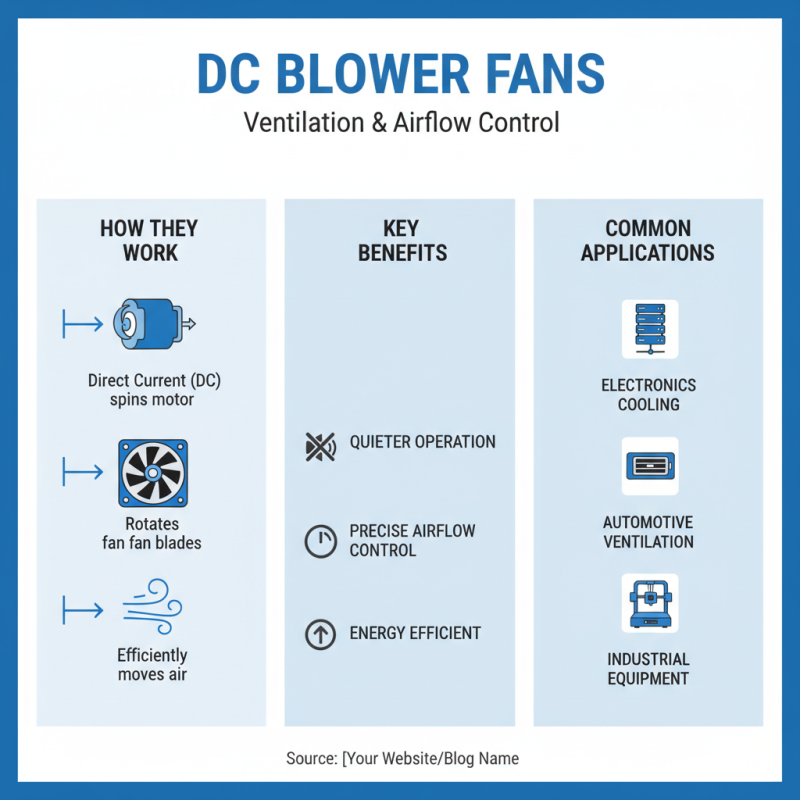
DC blower fans have gained attention for their effectiveness in ventilation systems. They work by using direct current to rotate a fan motor, moving air efficiently. This design allows for quieter operation compared to traditional AC fans. They are particularly useful in applications requiring precise airflow control.
One key feature of DC blower fans is their ability to operate at various speeds. Users can adjust the speed to meet specific ventilation needs. This flexibility is crucial in settings such as hospitals and data centers. However, the upfront cost may be higher compared to AC models. Maintenance can also be tricky, as finding specific replacement parts might pose a challenge.
These fans are energy-efficient, which can lead to savings over time. Some users may overlook the importance of fan placement. Proper positioning is vital to achieve optimal airflow. A poorly installed fan can lead to insufficient ventilation, countering its intended benefits. It's important to evaluate both the fan and its installation carefully to ensure effective operation.
Advantages of DC Blower Fans Over Traditional Fans
DC blower fans are becoming popular for various ventilation applications. Unlike traditional fans, they offer remarkable energy efficiency. According to a recent industry report, DC blower fans can reduce energy consumption by up to 50%. This not only lowers operational costs but also minimizes environmental impact.
These fans use advanced motor technology. This allows for precise speed control. Users can adjust airflow as needed. The result is better climate control in various settings. Additionally, DC blower fans operate quietly, making them ideal for both residential and commercial environments. Noise levels can be reduced to as low as 30 dB, which is quieter than a whisper.
Moreover, DC blower fans are compact and lightweight. They fit into spaces where traditional fans may not. Some designs are less than 3 inches thick, making installation easy. However, there is also a consideration for the upfront cost. While these fans may be pricier initially, the long-term savings in energy and maintenance often justify the investment. Understanding these dynamics can help users make informed decisions regarding their ventilation needs.
Why Choose a DC Blower Fan for Your Ventilation Needs? - Advantages of DC Blower Fans Over Traditional Fans
| Feature |
DC Blower Fan |
Traditional Fan |
| Energy Efficiency |
High (up to 80% more efficient) |
Lower (typically around 50% efficiency) |
| Noise Level |
Quiet operation |
Noisy operation |
| Size and Design |
Compact and lightweight |
Bulkier and heavier |
| Speed Control |
Variable speed options |
Limited speed settings |
| Lifespan |
Longer lifespan (up to 50,000 hours) |
Shorter lifespan (typically 10,000-20,000 hours) |
Applications of DC Blower Fans in Various Industries
DC blower fans are becoming essential in various industries due to their efficiency and adaptability. In manufacturing, they provide effective cooling for machinery. This prevents overheating during long production cycles, enhancing equipment lifespan. In electronics, they manage heat in devices. Maintaining optimal temperatures ensures devices operate efficiently and safely.
Healthcare applications also benefit from DC blower fans. They help maintain air quality in cleanrooms and hospitals. This is crucial for patient safety and infection control. Additionally, in the automotive sector, these fans enhance ventilation in vehicles. Proper airflow improves passenger comfort and safety during travel.
Despite their advantages, challenges exist. Installation requires careful planning to avoid airflow issues. Some industries may need customized solutions for specific setups. This adds complexity to implementation. Understanding the required airflow rates and system dynamics is essential for optimal performance. Companies must evaluate their unique needs before choosing a DC blower fan.
Applications of DC Blower Fans in Various Industries
Energy Efficiency and Cost Savings with DC Blower Fans
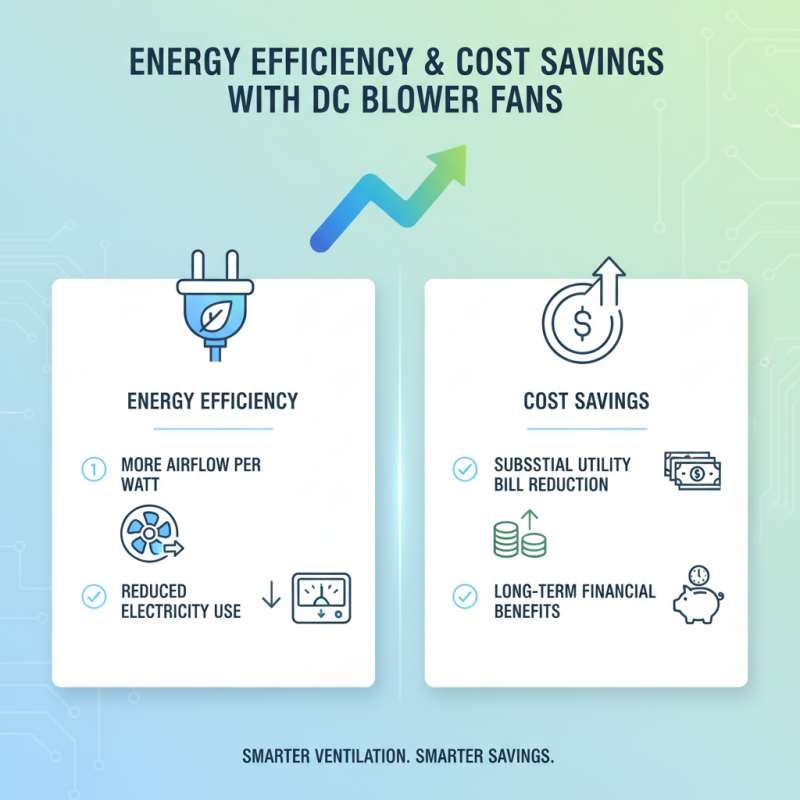
When considering ventilation solutions, energy efficiency is a critical factor. DC blower fans are known for their impressive energy savings compared to traditional AC fans. They convert more input energy into airflow, reducing electricity consumption. This efficiency can lead to substantial savings on utility bills over time. In environments where continuous operation is required, the financial benefits become even more noticeable.
DC blower fans also offer versatility in speed control. Users can easily adjust the fan speed according to their specific needs, further optimizing energy usage. This adaptability means less wasted energy and more targeted ventilation. However, it's essential to assess your unique requirements. Sometimes, simpler models might suffice, and one can overspend on features that go unused.
Moreover, while the initial investment in a DC blower fan may seem high, the long-term savings can justify the cost. These fans tend to have longer lifespans due to their efficient design and lower operating temperatures. However, not every situation warrants such an investment. It's vital to weigh the initial costs against potential energy savings based on usage.
Selecting the Right DC Blower Fan for Specific Ventilation Needs
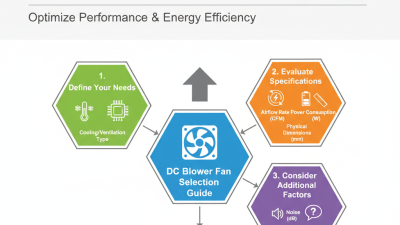
When selecting a DC blower fan, it's crucial to assess your specific ventilation needs. The fan's efficiency can greatly impact air circulation in various environments. Consider factors such as airflow rate, noise level, and power consumption. An ideal fan should strike a balance between performance and energy efficiency.
Different applications require different specifications. For instance, if you need ventilation in a small space, a compact model may suffice. In contrast, larger areas might need a more powerful fan to ensure effective airflow. Understanding your space's requirements enables you to make informed decisions.
Many users overlook the importance of fan placement. Proper installation can enhance efficiency and performance. Additionally, take into account the maintenance needs of the fan. Some models might require frequent cleaning, while others are more self-sufficient. Reflecting on these details can improve your satisfaction with the product over time.