Top 10 Best Cross Flow Fans for Efficient Air Circulation?
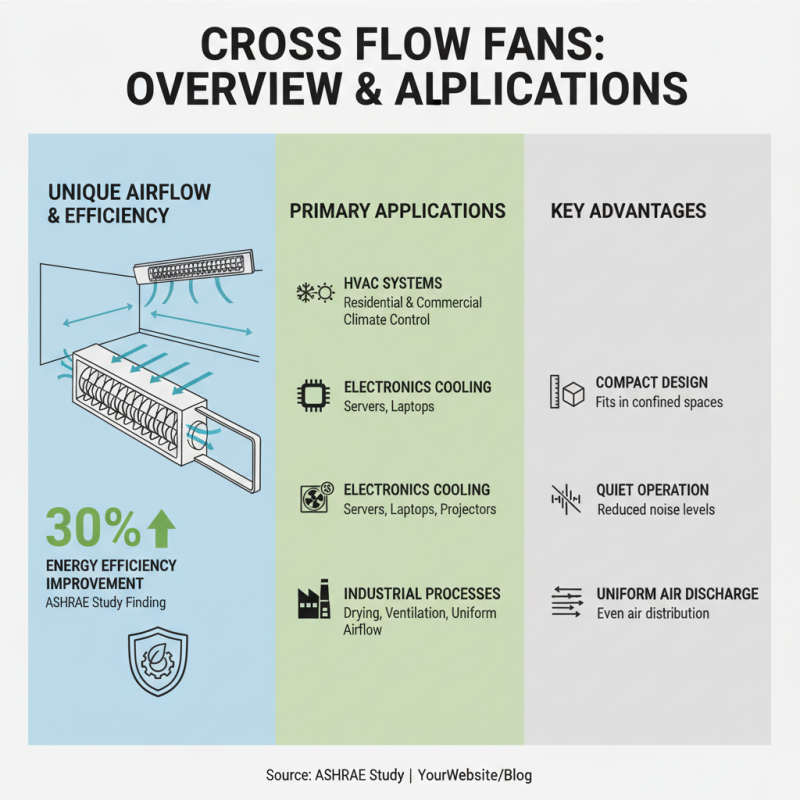
In today's climate, efficient air circulation is crucial for various industries. Cross Flow Fans stand out as a solution. These fans provide uniform airflow, minimizing hot spots in spaces such as warehouses, offices, and manufacturing plants. According to a report by the American Society of Heating, Refrigerating and Air-Conditioning Engineers, effective air circulation can improve energy efficiency by up to 30%.
Cross Flow Fans excel in applications where space is limited. They operate quietly yet effectively, making them suitable for both residential and commercial environments. However, not all fans perform equally. Some may not deliver the expected airflow or energy savings. Prospective buyers should consider these variations carefully.
It's essential to research and evaluate different models. Many consumers overlook factors such as fan blade design and motor efficiency. Opting for the right model can drastically affect overall performance. Identifying the best Cross Flow Fan requires a balance of technical specifications and practical needs. While there are many options, the right fan can enhance air circulation, leading to improved environmental comfort and energy costs.

Overview of Cross Flow Fans and Their Applications
Cross flow fans play a vital role in many applications, including HVAC systems, electronics cooling, and industrial processes. These fans are designed to move air in a unique way, allowing for efficient circulation. A study conducted by the American Society of Heating, Refrigerating, and Air-Conditioning Engineers (ASHRAE) shows that properly designed cross flow fans can improve energy efficiency by up to 30% in some systems.
In residential applications, cross flow fans help in maintaining comfortable indoor climates. They create a gentle airflow that can distribute heat or cool air more evenly throughout a space. This reduces the burden on heating and cooling systems. In industrial settings, the need for effective air circulation is even more critical. For example, during the operation of machinery, excess heat can compromise performance. Here, cross flow fans can be essential, helping to maintain optimal temperatures.
However, it's essential to consider the specific needs of each application. Factors like airflow rate, static pressure, and noise level must be balanced. Some designs may focus on high airflow but generate more noise, which could be undesirable in residential or office settings. Therefore, careful selection based on application requirements and performance metrics is crucial. Understanding the trade-offs can lead to more informed decisions, ultimately improving overall system efficiency.
Key Features to Consider When Choosing a Cross Flow Fan
When selecting a cross flow fan, several key features are essential for optimal performance and efficiency. Airflow rate is a primary consideration, as it indicates how much air the fan can move. Typically, the best models boast airflow rates between 500 to 2,000 cubic feet per minute (CFM). Noise level is another crucial factor; lower decibels can lead to a more peaceful environment, especially in residential areas. Aim for fans that operate at 60 dB or lower for the best experience.
Efficiency rating is also significant. Fans with a higher energy efficiency rating consume less power while providing the same airflow. According to industry reports, energy-efficient cross flow fans can reduce operating costs by up to 30%. Additionally, consider the size and dimensions, as well as mounting options—some settings will require wall-mounted or ceiling-mounted fans for best results.
Tips: When evaluating performance specs, always compare models critically. A cheaper fan can lead to higher long-term costs if it’s inefficient. Also, check user reviews and independent test results to gauge real-world effectiveness. Remember, investing time in selecting the right fan can improve air circulation dramatically.
Top 10 Best Cross Flow Fans for Efficient Air Circulation
Top 10 Cross Flow Fans for Optimal Air Circulation
Cross flow fans are essential in various applications, providing efficient air circulation. They are particularly effective in spaces requiring uniform airflow. According to industry reports, these fans can improve thermal comfort and reduce cooling costs by up to 25%. Their compact design allows for versatile installation options, making them ideal for both residential and commercial use.
When choosing a cross flow fan, consider the environment and specific needs. The noise level is often an overlooked factor. Many fans produce significant sound levels, which may disrupt quiet spaces. Aim for models with noise ratings below 40 dB for quieter operation. Also, ensure the fan can handle the required airflow and pressure levels. A mismatch can lead to inefficiency and increased energy costs.
Here are some tips for optimal performance. Regularly clean your fan to maintain airflow efficiency. Dust buildup can impede performance and cause overheating. Additionally, assess the positioning of your fan. A well-placed fan can enhance circulation and improve energy efficiency. Remember, even the best fan may not perform well if improperly installed. Adjust your setup as needed, and monitor performance to ensure effectiveness.
Top 10 Cross Flow Fans for Optimal Air Circulation
| Model |
Airflow (CFM) |
Noise Level (dB) |
Dimensions (inches) |
Power Consumption (W) |
| Model A |
250 |
35 |
12 x 12 x 4 |
30 |
| Model B |
300 |
32 |
14 x 12 x 5 |
40 |
| Model C |
350 |
30 |
16 x 12 x 5 |
45 |
| Model D |
400 |
28 |
18 x 12 x 6 |
50 |
| Model E |
450 |
25 |
20 x 12 x 6 |
55 |
| Model F |
500 |
22 |
22 x 12 x 6 |
60 |
| Model G |
550 |
20 |
24 x 12 x 6 |
65 |
| Model H |
600 |
18 |
26 x 12 x 7 |
70 |
| Model I |
650 |
16 |
28 x 12 x 7 |
75 |
| Model J |
700 |
14 |
30 x 12 x 7 |
80 |
Comparative Analysis of Features and Performance
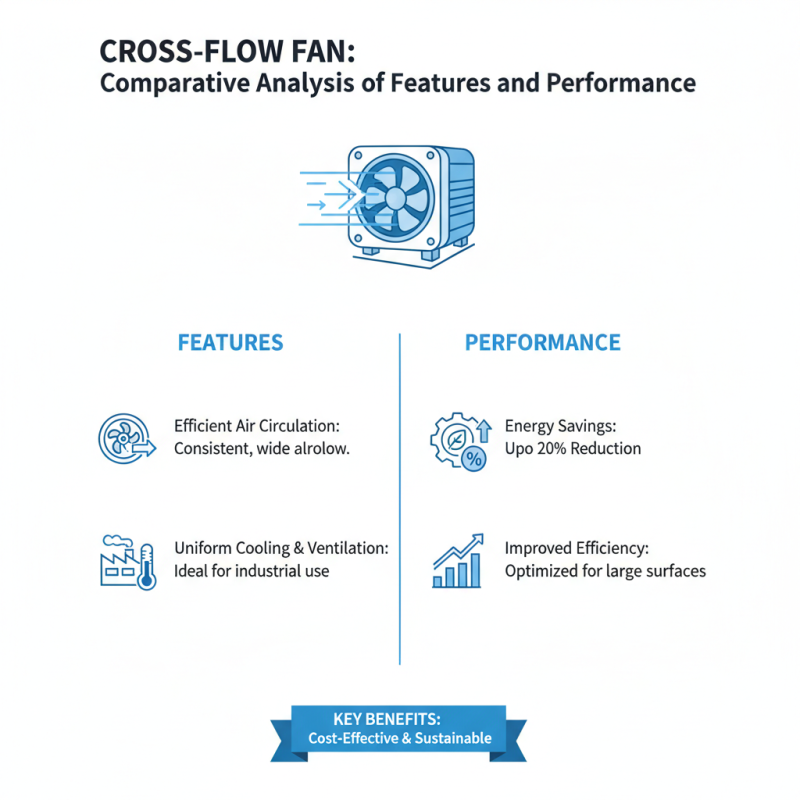
When evaluating cross flow fans, understanding their features and performance is crucial. These fans provide efficient air circulation by creating a consistent airflow across surfaces. This design is beneficial in industrial settings, where effective cooling and ventilation are essential. According to a recent industry report, properly selected fans can reduce energy consumption by up to 20%.
In terms of performance metrics, airflow capacity and noise levels are key factors. Fans typically range from 100 to 2000 CFM (cubic feet per minute), accommodating various space sizes. Noise levels can vary significantly; quieter models operate around 40 dBA, making them suitable for sensitive environments. However, users often overlook efficiency ratings. Many fans lack proper documentation to assess their energy efficiency.
Moreover, the material used in fan construction affects durability and performance. Plastic options are lightweight but may not withstand high temperatures, while metal designs are generally more robust. Not all fans are made to last, leading to potential replacements that could have been avoided. Users should reflect on how they balance cost and quality, as the cheapest option is not always the best investment.
Maintenance Tips for Ensuring Longevity of Cross Flow Fans
To ensure the longevity of cross flow fans, regular maintenance is essential. It's important to clean the fan blades and housing frequently.
Accumulated dust can reduce efficiency and lead to performance issues. Use a soft brush or cloth to avoid scratching surfaces.
Sometimes, dirt gets trapped in hard-to-reach areas. Be patient and thorough during this process.
In addition to cleaning, check for any loose screws or mounts. These can cause vibrations, leading to unnecessary wear. Lubricate bearings as needed.
This helps reduce friction and extends the life of the fan. Regularly inspect power cords for any signs of wear.
Damaged cords can be a fire hazard.
When using the fan, avoid blocking air intake or output. Proper placement ensures optimal airflow.
Every now and then, reflect on the fan’s performance. If it’s making unusual noises, it might need attention.
Addressing small issues promptly can prevent costly repairs later.
Routine checks and mindful use are key to keeping your cross flow fan in top shape.