The Best Axial Fan Mini Fan Options for Your Cooling Needs?
In the world of cooling solutions, the Axial Fan Mini Fan stands out as a practical choice for both personal and professional spaces. Dr. Emily Chen, a renowned expert in airflow technology, once said, "Efficient cooling is not a luxury; it's essential for comfort and productivity." This statement resonates deeply in today's context, where effective ventilation can significantly impact our environment.
The demand for Axial Fan Mini Fans has surged. Whether in a home office or a bustling workshop, these fans are a vital part of maintaining a suitable atmosphere. Their compact design allows for easy placement, yet they pack a punch when it comes to airflow. There are numerous models available, but finding the right one can be tricky. Factors such as size, noise levels, and energy efficiency must be considered.
Despite their advantages, some consumers report challenges in performance during extreme heat. It's crucial to invest time in research and choose wisely. The shortcomings some models exhibit highlight the need for continuous improvement in design and functionality. As technology evolves, the Axial Fan Mini Fan industry must adapt to meet consumers' ever-changing cooling needs.
Understanding Axial Fans and Their Benefits for Personal Cooling
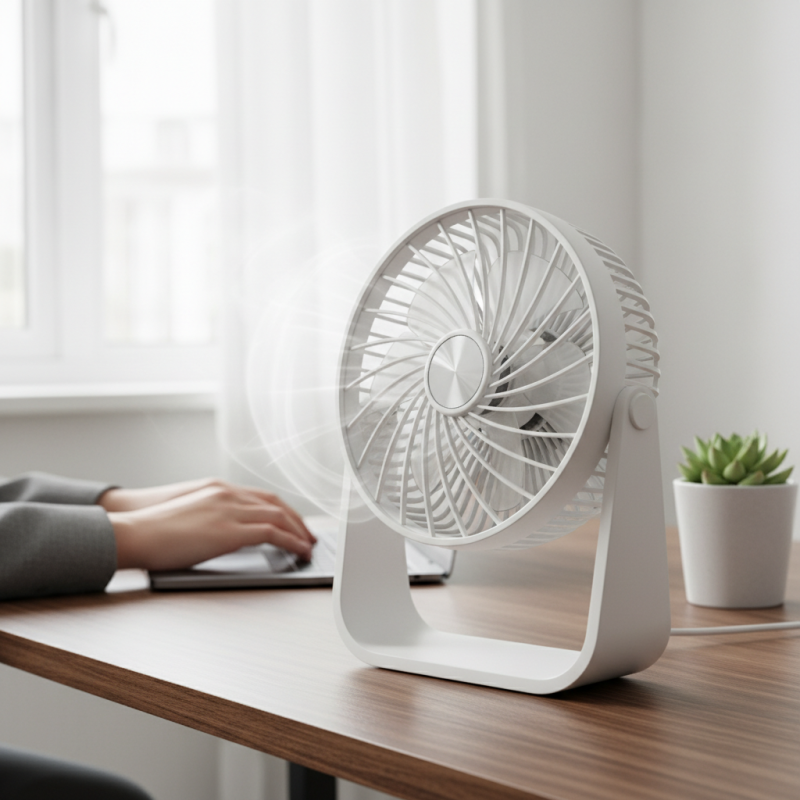
Axial fans are popular choices for personal cooling. They work by moving air parallel to the fan shaft. This design creates a steady airflow, making them efficient for small spaces. Many people love their simplicity and effective cooling performance.
One major benefit of axial fans is their portability. You can easily move them from room to room. This flexibility allows you to stay cool wherever you go. However, some users may find they need multiple fans for larger areas. Even the best mini fans may struggle in larger spaces. It’s essential to consider your needs beforehand.
Noise can be an issue, too. While some fans operate quietly, others can be quite loud. This can be distracting, especially when working or sleeping. Balancing noise levels and cooling efficiency is important. When choosing a fan, reflect on what matters most for your comfort. Familiarizing yourself with these details can help you make a better decision.
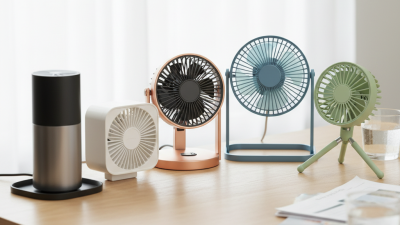
The Best Axial Fan Mini Fan Options for Your Cooling Needs
| Model |
Size (inches) |
Airflow (CFM) |
Noise Level (dB) |
Power Consumption (W) |
Price (USD) |
| Mini Axial Fan A |
4 |
80 |
30 |
5 |
25 |
| Mini Axial Fan B |
5 |
100 |
35 |
6 |
30 |
| Mini Axial Fan C |
6 |
120 |
28 |
7 |
35 |
| Mini Axial Fan D |
7 |
150 |
32 |
8 |
40 |
Key Features to Consider When Choosing a Mini Axial Fan
When selecting a mini axial fan, several key features demand your attention. Size is crucial. Consider where you will place the fan. A compact fan fits better in tight spaces. Airflow, measured in CFM, indicates how effectively the fan cools. Higher CFM is great for larger spaces, while a moderate output works well for personal use.
Noise level is another important factor. Some fans run quietly, while others create a noticeable hum. If noise bothers you, look for models specifically designed for silent operation. Power consumption also varies. An energy-efficient fan saves money over time, which is important for regular use.
Fan design can enhance functionality and style. Look for a design that complements your environment. Features like adjustable speeds add flexibility. Some models even include built-in timers. These small details can enhance your cooling experience. So, reflect on what features matter most to you before making a choice.
Top Axial Mini Fans: A Review of the Best Models on the Market
When looking for the best axial mini fans, there are many options to consider. Axial fans are known for their compact size and powerful airflow. They offer effective cooling solutions for personal spaces. Whether you need one for your desk or a small room, these fans can make a difference. Many models feature adjustable speeds. You can customize the airflow to suit your needs.
Several top models stand out in terms of performance. Some have multiple speed settings and oscillation features. This allows for better airflow distribution. The design of each fan varies. Some are sleek and modern, while others are more utilitarian. It's essential to consider noise levels, especially for use in quiet environments. A noisy fan can be distracting.
Also, consider the durability of these fans. Some may not hold up well over time. Checking for build quality is crucial. Additionally, read reviews to understand the user experience. Features like portability can further enhance their usability. Not every fan will meet everyone's needs perfectly. It's worth spending time to find the right balance for your cooling requirements.
Comparison of Energy Efficiency in Axial Fan Designs
When considering axial fan designs, energy efficiency is a crucial factor. Recent studies indicate that axial fans generally consume 20-30% less energy compared to centrifugal fans. This is largely due to their streamlined design, which promotes better airflow. The efficiency of air movement allows for less power usage, making them an appealing choice for many applications.
One report highlighted that optimizing blade design in axial fans can lead to energy savings of up to 15%. This means that minor adjustments can have significant impacts on overall performance. However, achieving such efficiency may require trial and error, as some designs could prove less effective than expected. It’s essential to assess the specific cooling needs before settling on a fan type.
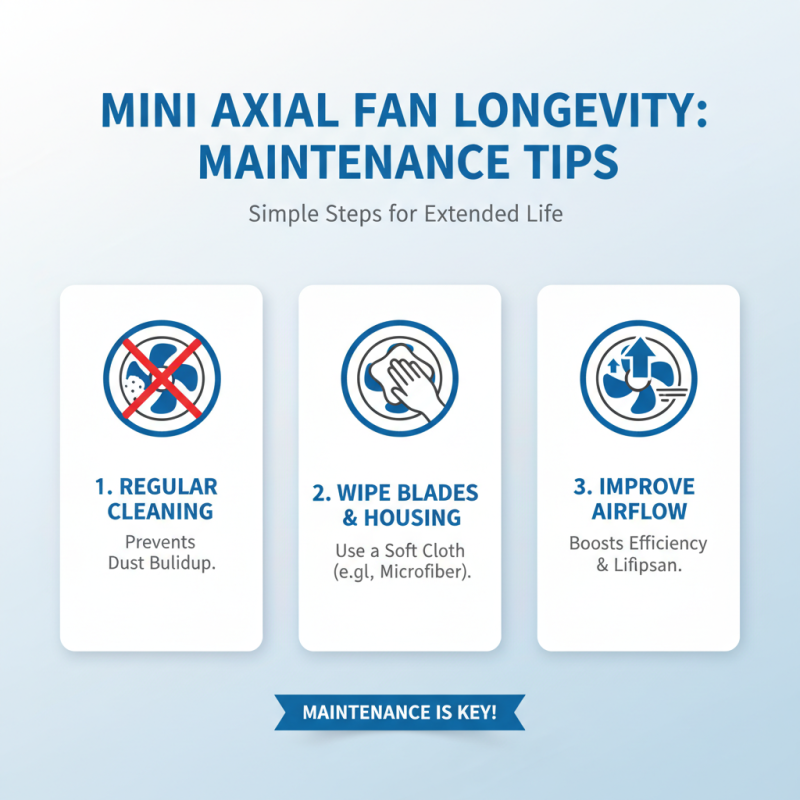
Additionally, maintaining these fans plays a role in their energy efficiency. Dust and debris accumulation can diminish performance, causing fans to work harder. Regular cleaning can restore efficiency, yet not everyone commits to this upkeep. Some users end up with inefficient fans due to neglect, leading to increased energy costs and poorer cooling.