Top 5 Best Axial Fan Mini Fan Options for Efficient Cooling?
When it comes to staying cool, choosing the right cooling solution is essential. An Axial Fan Mini Fan could be your best bet. These fans are designed for efficiency and performance. They move air effectively, making any space more comfortable. Their compact size allows for easy placement in small areas.
Many models offer powerful airflow, despite their size. You might wonder which options stand out. Various brands have created innovative designs. However, not all mini fans deliver the same results. Some may be too noisy or not powerful enough. Selecting the right Axial Fan Mini Fan requires careful consideration.
As you explore your options, think about where you'll use the fan. Consider noise levels and airflow efficiency. Some fans may be great for personal spaces but not suitable for larger areas. It's also essential to reflect on your budget. High performance doesn’t always mean high cost. You deserve a cooling solution that fits your needs perfectly.
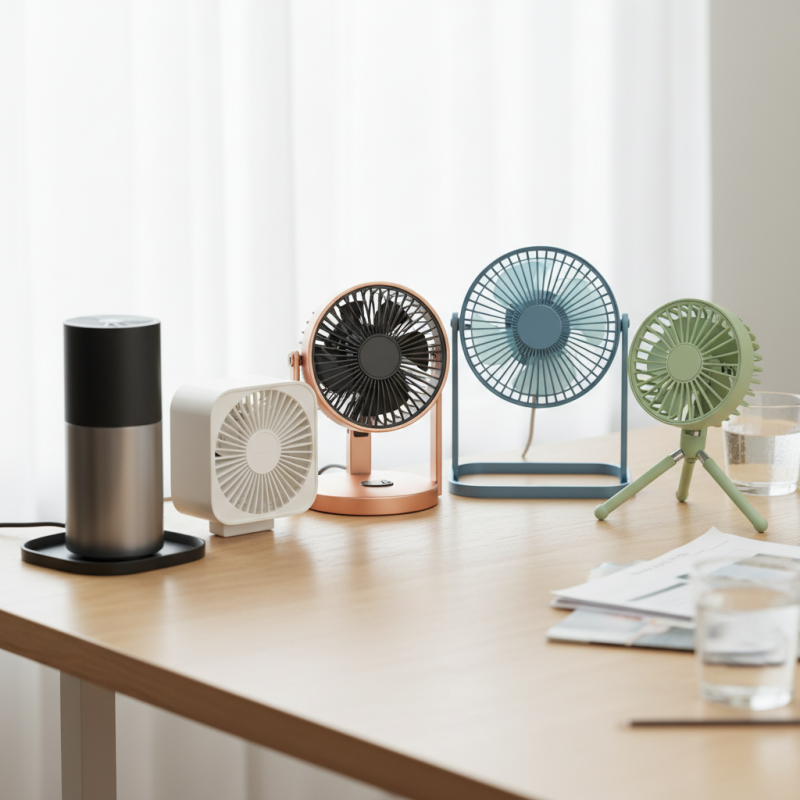
Understanding Axial Fans and Their Benefits for Cooling
Axial fans are a popular choice for cooling applications. They work by moving air parallel to the fan axis. This design allows for efficient air movement in tight spaces. A recent industry report shows that axial fans can increase airflow efficiency by up to 30%. This makes them ideal for both personal and industrial cooling solutions.
One of the key benefits of axial fans is their compact size. They can fit into various environments, from small desks to larger server rooms. Many users appreciate how lightweight they are. This facilitates ease of transport and placement. However, the noise levels can be a concern. Some models may not meet expectations in quiet operation.
Another factor to consider is energy consumption. Axial fans generally consume less power than others. A study indicated that switching to an axial fan could lower energy costs by 15-20%. Despite these advantages, finding the right model can be daunting. Users often report difficulty in selecting units that balance noise and airflow. This reflects the need for better information when choosing cooling solutions.
Top 5 Best Axial Fan Mini Fan Options for Efficient Cooling
Criteria for Selecting the Best Mini Axial Fans
When selecting the best mini axial fans, several criteria are crucial. Airflow performance is paramount. Look for fans that can generate at least 100 CFM (cubic feet per minute). This measurement indicates how effectively a fan circulates air. A report from the American Society of Heating, Refrigerating and Air-Conditioning Engineers indicates that higher airflow often leads to improved cooling efficiency.
Noise levels must also be a consideration. A fan that operates above 40 decibels can disrupt work or relaxation. Therefore, seeking models that offer quieter operation is wise. Reports find that perceived noise can affect comfort levels significantly. Small design and portability are additional factors. Fans should easily fit into tight spaces and be lightweight for movement. Many users appreciate compact designs that do not compromise power.
Lastly, energy efficiency is an essential criterion. Fans with higher Energy Star ratings consume less power. This can lead to long-term savings. However, there are often trade-offs. Some energy-efficient models may have lower airflow rates. It's important to balance efficiency with performance to meet specific needs effectively. Understanding these metrics will lead to more informed choices.
Top 5 Best Axial Fan Mini Fan Options for Efficient Cooling
| Model |
Diameter (mm) |
Airflow (CFM) |
Noise Level (dB) |
Power Consumption (W) |
| Model A |
120 |
100 |
30 |
12 |
| Model B |
80 |
80 |
25 |
9 |
| Model C |
100 |
90 |
28 |
10 |
| Model D |
150 |
120 |
35 |
15 |
| Model E |
60 |
70 |
22 |
8 |
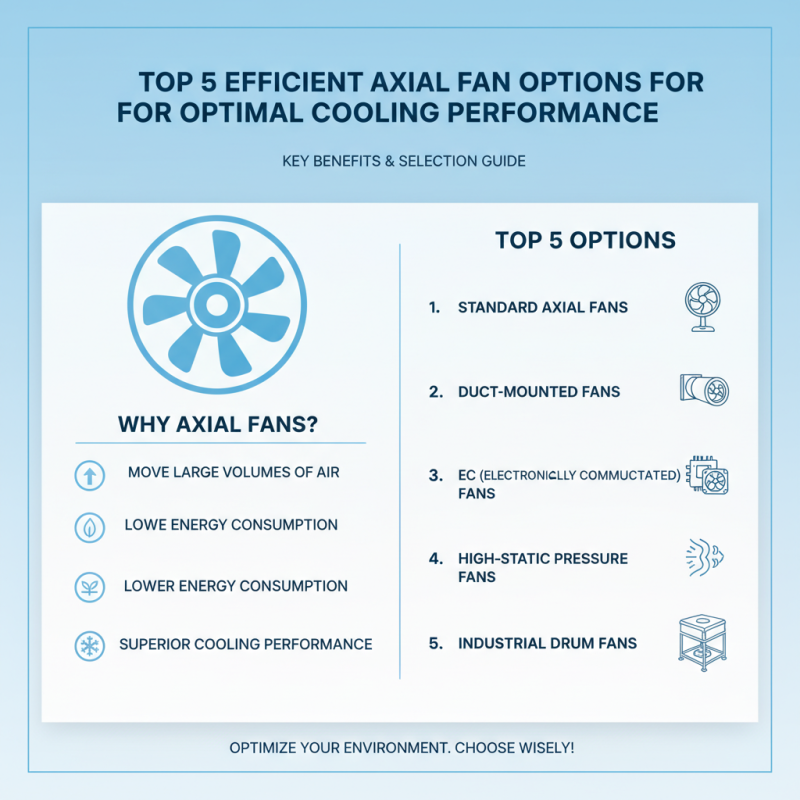
Top 5 Efficient Axial Fan Options for Optimal Cooling Performance
When it comes to efficient cooling, axial fans are among the best options available. These fans are known for their ability to move large volumes of air while maintaining lower energy consumption. If you need optimal cooling performance, using an axial fan can make a noticeable difference in your environment. Whether for personal or industrial use, selecting the right model is essential.
Consider the space you want to cool. A larger area may require multiple fans for effective airflow. The design of the fan blades also affects performance. Look for models with wider blades that can push more air. Noise level is another key factor. Some fans operate quietly, while others may disrupt your peace. Testing the noise level in a store is advisable to ensure comfort while using the fan.
Tips: Always check the fan’s energy rating. An energy-efficient fan can save you money on electricity bills. Regularly clean the fan blades to maintain airflow efficiency. Dust can accumulate quickly, obstructing performance. Lastly, consider the fan's placement. Positioning it properly can maximize cooling effects.
Comparative Analysis of Features and Specifications
When selecting a mini axial fan, several features and specifications stand out.
Noise level, airflow capacity, and power consumption are crucial.
A recent report by the Cooling Technology Association highlighted that efficient mini fans can reduce power consumption by up to 25%.
This can lead to significant energy savings, especially in constant-use scenarios.
Airflow capacity varies widely among models.
High-performance options can offer airflow rates between 50 to 200 CFM
(cubic feet per minute). Yet, the impact of design on airflow efficiency is often overlooked.
Some fans trade off aesthetics for functionality, resulting in less effective air circulation.
User reviews frequently mention dissatisfaction with poor airflow despite sleek designs.
Noise is another essential factor. Fans with a noise level exceeding 30 dB can disrupt environments.
Studies show that prolonged exposure to higher noise may contribute to decreased productivity and increased stress.
Some manufacturers claim silence is golden but fail to deliver.
Evaluating noise against performance specifications is necessary but often neglected by users.
It's vital to balance the trade-offs when choosing the right axial mini fan for efficient cooling.
User Reviews and Performance Insights for Each Fan Option
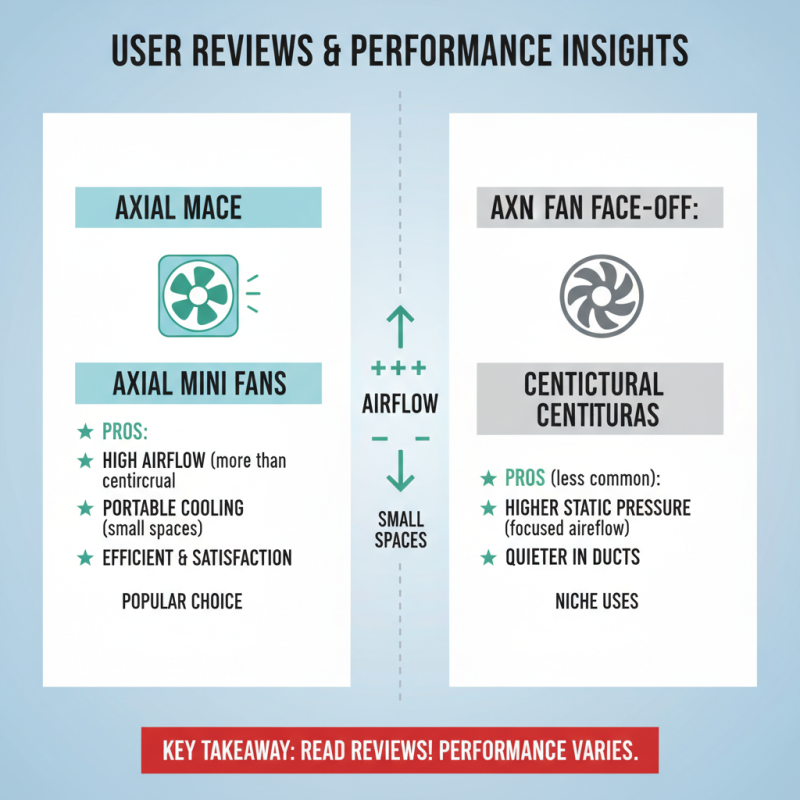
When choosing the best axial fan mini options, user reviews offer valuable insights. According to industry reports, axial fans provide more airflow compared to centrifugal fans. This makes them a popular choice for portable cooling solutions. Users often report satisfaction with their efficiency, especially in small spaces. Performance varies widely, so it’s essential to read reviews carefully.
For instance, some fans boast noise levels below 30 dB. Quiet operation is a key factor for many users, especially in offices or bedrooms. Others highlight durability. A fan that shows wear and tear after a few months can be disappointing. Reviews suggest paying attention to the materials used in construction.
Tip: Look for reviews that mention longevity. This often correlates with brand reputation.
Many users notice a significant drop in temperature in their immediate surroundings. However, some fans struggle to push air through larger areas effectively. In terms of energy consumption, most mini fans operate efficiently, but check the wattage. Low wattage indicates better energy savings.
Tip: Consider your specific cooling needs. A fan for a small desk will differ from one meant for larger rooms.