Top 5 Benefits of Cross Flow Fans for Efficient Cooling?
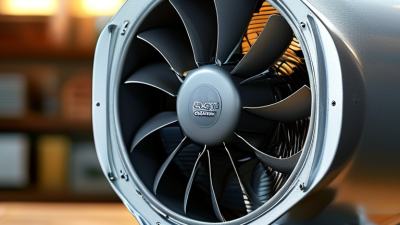
In today's fast-paced world, effective cooling solutions are vital for various applications. One standout option is the Cross Flow Fan. These fans are designed to optimize airflow, making them an ideal choice for cooling systems. They operate differently compared to traditional fans, providing a unique airflow pattern that enhances efficiency.
The Cross Flow Fan ensures uniform air distribution across surfaces. This characteristic minimizes hotspots and guarantees consistent cooling. Users often underestimate how essential this uniformity is in industrial settings or data centers. Moreover, their compact design allows for easy integration into various systems without requiring excessive space.
Choosing a Cross Flow Fan offers several advantages, yet it's essential to understand potential challenges. Regular maintenance is crucial to ensure optimal performance. Users sometimes overlook this aspect, leading to inefficiencies. By acknowledging both the strengths and weaknesses of Cross Flow Fans, we can leverage their benefits effectively and responsibly.
Understanding Cross Flow Fans and Their Functionality
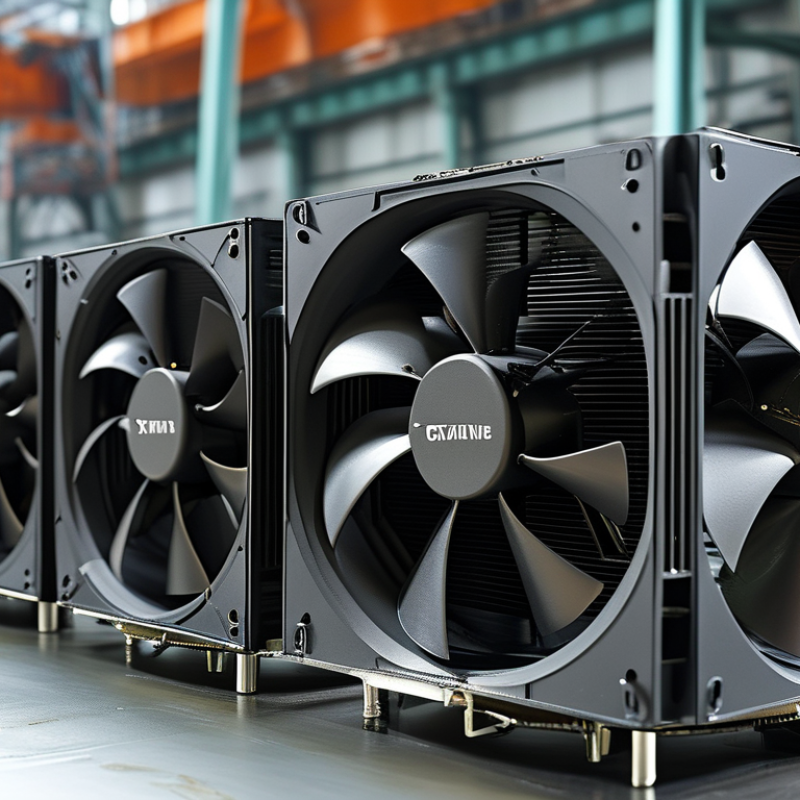
Cross flow fans play a crucial role in various cooling applications. These fans are designed to move air across a large area, making them efficient for heat dissipation. Unlike traditional fans, cross flow fans force air to flow in a perpendicular direction, which helps create a uniform airflow. This is particularly beneficial in environments requiring consistent temperatures, such as server rooms or data centers.
When selecting a cross flow fan, consider its airflow rate and energy efficiency. An ideal fan should have a suitable balance between performance and power consumption. Look for fans that operate quietly. Noise levels can affect comfort in residential spaces. Regular maintenance is also essential. Dust buildup can interfere with airflow, reducing efficiency.
Another aspect to ponder is the fan's placement. Positioning can alter its effectiveness. Experimenting with locations can lead to better cooling results. Ensure the installation does not obstruct airflow. Improper setup decreases performance. Investing time into proper fan management can significantly enhance cooling efficiency and prolong the fan's lifespan. Remember to periodically evaluate the setup to ensure it meets your cooling needs.
Top 5 Benefits of Cross Flow Fans for Efficient Cooling
Enhanced Airflow Distribution for Improved Cooling Performance
Cross flow fans are gaining popularity in various cooling applications due to their ability to enhance airflow distribution. This design pushes air across the entire surface of the cooling system, ensuring that every part receives efficient airflow. By optimizing this distribution, components can maintain lower temperatures more effectively, leading to better overall performance.
Moreover, these fans are often more compact compared to traditional fans, making them suitable for tight spaces. Their unique airflow pattern minimizes hotspots, a common issue in cooling systems. Engineers appreciate this trait, as it helps prevent overheating of critical components. However, achieving perfect airflow can be challenging. It may require adjustments in positioning to maximize effectiveness.
The energy efficiency of cross flow fans adds to their appeal. They consume less power while delivering consistent cooling performance. Improved airflow can also lead to quieter operation. Yet, some users might find initial installation complicated. There is always room for optimizing placement or integration. This reflection is essential for maximizing the effectiveness of cross flow fans in various environments.
Energy Efficiency Benefits of Cross Flow Fans in Cooling Systems
Cross flow fans are increasingly recognized for their energy efficiency in cooling systems.
These fans operate by moving air across a surface area, creating a broad cooling effect. This design allows them to consume less power compared to traditional fans. Many facilities have noted a significant reduction in their energy bills after switching to cross flow fans.
The airflow generated by these fans covers larger spaces more uniformly. This means cooler air reaches every corner effectively. Moreover, they typically require less maintenance due to their simpler structure. Users have reported longer service life with reduced operational disruptions. However, the efficiency can vary based on installation and usage conditions.
While cross flow fans provide numerous benefits, not every project may see the same results. Environmental factors, like ambient temperatures, can impact efficiency. It's essential to evaluate how these fans fit into a specific cooling strategy. Users should consider conducting a thorough analysis before making changes. This reflection ensures that the benefits align with their unique needs and challenges.
Compact Design of Cross Flow Fans and Space Optimization
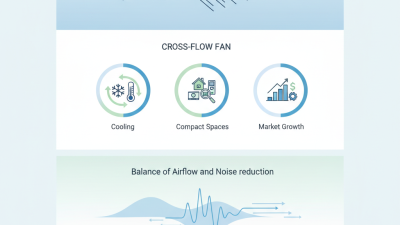
The compact design of cross flow fans makes them an excellent choice for space optimization. These fans can fit into tight areas where traditional fans may not. Their slim profile allows for efficient airflow without taking up too much room. This is especially beneficial in commercial settings, such as server rooms or retail spaces, where every square foot counts. Utilizing space wisely can lead to better overall cooling performance and energy savings.
Moreover, the layout of cross flow fans aids in uniform air distribution. This is key in areas with sensitive equipment. Their design allows for air to be pushed across a wide area, promoting consistent cooling. However, some users might overlook the importance of proper installation and maintenance. Ensuring the fan is mounted correctly can make a significant difference in efficiency. Neglecting these aspects may reduce airflow quality over time.
Finally, while cross flow fans provide many benefits, they are not a one-size-fits-all solution. Users should assess their specific needs and space restrictions. Regularly reviewing performance ensures that the fans are meeting cooling demands effectively. Understanding these factors can lead to better decision-making in future installations.
Top 5 Benefits of Cross Flow Fans for Efficient Cooling
| Benefit |
Description |
Impact |
| Compact Design |
Cross flow fans have a space-saving structure that allows for installation in tight spaces. |
Maximizes usable space in applications. |
| Efficient Airflow |
Provides consistent and effective airflow across large surfaces. |
Improves cooling efficiency and reduces energy costs. |
| Low Noise Operation |
Designed to operate quietly even at high speeds. |
Ideal for noise-sensitive environments such as offices or residential areas. |
| Versatile Applications |
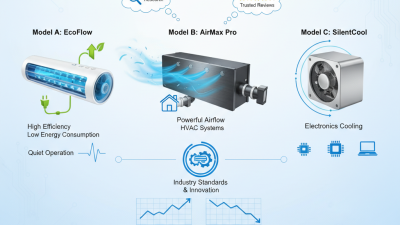
Suitable for various applications including electronics cooling, HVAC, and industrial uses. |
Enhances adaptability in design and manufacturing. |
| Enhanced Reliability |
Built to withstand demanding conditions with minimal maintenance. |
Increases lifespan and reduces downtime for operations. |
Reduced Noise Levels Compared to Traditional Cooling Solutions
Cross flow fans have gained popularity due to their efficient cooling capabilities. A notable advantage is their reduced noise levels compared to traditional cooling solutions. Many people are sensitive to noise, especially in quiet environments such as offices or homes. Cross flow fans operate quietly, making them an ideal choice for these spaces.
These fans efficiently circulate air while keeping noise to a minimum. They utilize a design that promotes smoother airflow, which leads to less turbulence. As a result, users can enjoy a peaceful atmosphere without the distracting hum of conventional fans. This is particularly important for those who need focus for work or relaxation.
However, not all cross flow fans are created equal. Users may find some models still produce noticeable sound levels. It's vital to consider the specifics of each fan when making a choice. Even within this category, performance can vary. Researching and reading reviews can help ensure the selected fan meets your noise level expectations.